
Preserving the Legacy:
The Role of Heritage Buildings in the Lake District
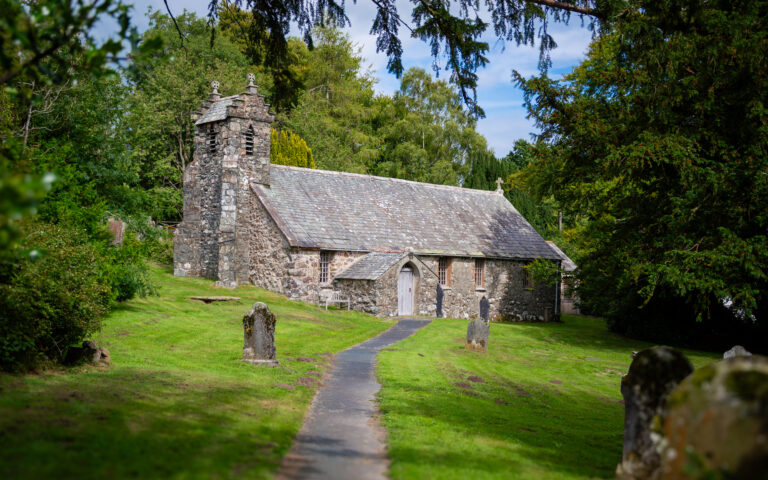
Nestled in the northwest of England, the Lake District is known for its distinctive landscapes, cultural history, and centuries-old traditional architecture. A major part of what defines the region is the range of heritage buildings found throughout its varied and distinctive landscape. These structures are important not only for their historical value but also for the contribution they make to the area’s culture, economy, and tourism.
This blog explores why these buildings matter and highlights the need for careful, specialist conservation using traditional heritage building techniques with natural, breathable materials.
The Role of Heritage Buildings in the Lake District
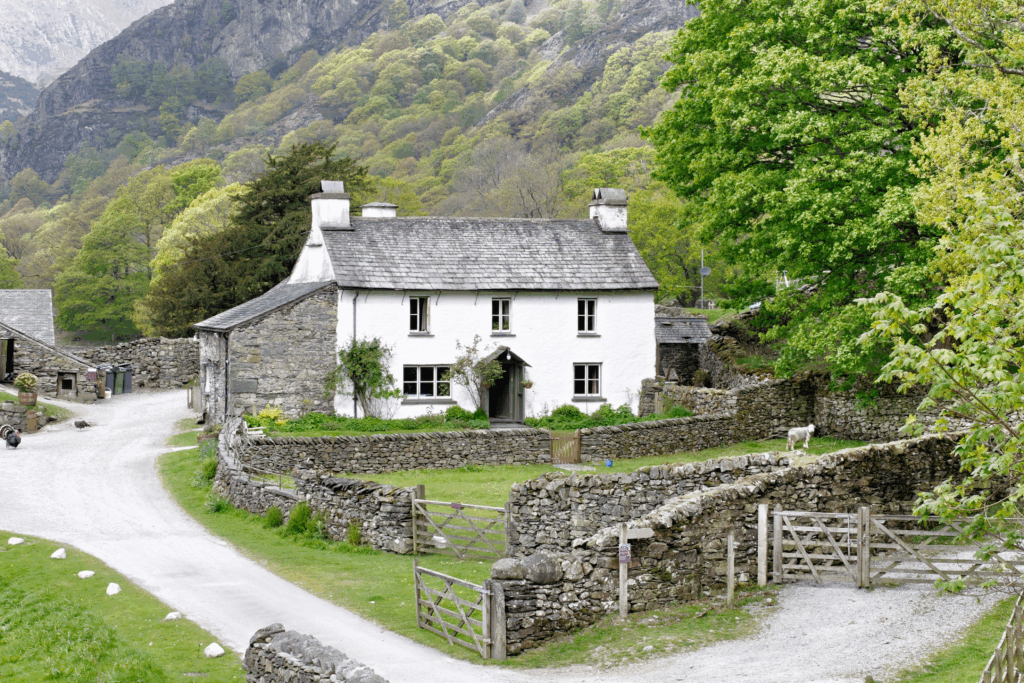
Heritage buildings act as lasting connections to the region’s past. In the Lake District, these buildings range from historic homes and farmsteads to ancient churches and former industrial sites, each building telling a story and reflecting a different aspect of local history, contributing to a distinctive regional identity. Landmark buildings such as Dove Cottage—once home to William Wordsworth—and Beatrix Potter’s Hill Top offer a glimpse into the lives and creative environments of some of the area’s most influential people.
These buildings also play a significant role in supporting the local economy. The Lake District welcomes millions of visitors each year, many visit for more than just the scenery but also to experience its architectural and cultural heritage. Tourism associated with these historic sites helps sustain local businesses, create jobs, and support the wider community. These economic benefits, however, hinge on the continued existence and good condition of these heritage buildings.
The Need for Careful Conservation
Despite their importance, many heritage buildings in the Lake District face ongoing challenges from environmental conditions, neglect, or inappropriate development. The region’s harsh, damp climate accelerates weathering and natural decay, particularly in the structural integrity of centuries-old stone, slate, and timber. Additionally, as the pressure to accommodate increasing numbers of visitors and residents grows, there is a push towards modernising these structures, altering interiors, extending buildings, and adding facilities, sometimes at the cost of their historical character.
Conserving heritage buildings requires a sensitive, specialist approach—one that respects original materials and building techniques while accommodating modern requirements discreetly. Preservation is not only about maintaining walls and roofs; it is about safeguarding the settings and stories that make these buildings culturally significant.
The Role of Heritage Building Techniques
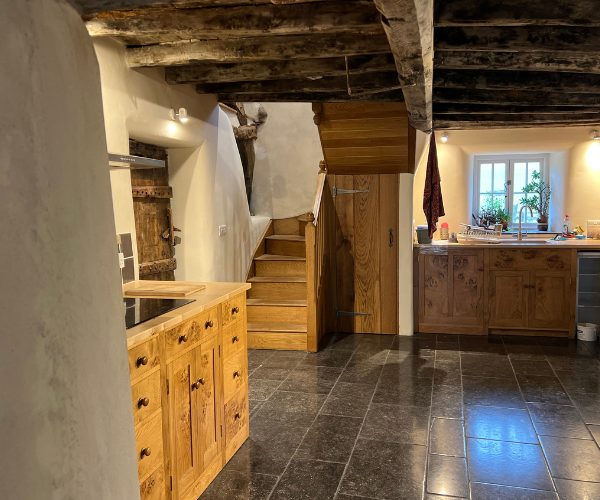
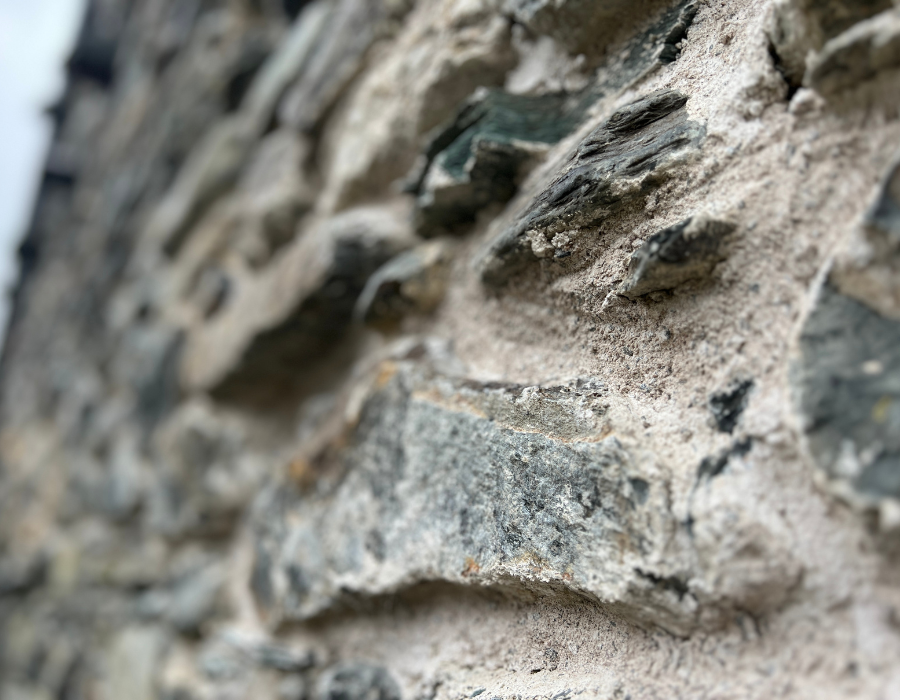
Conservation-led restoration is a conservation approach focused on maintaining the character and authenticity of historic structures. This approach involves using natural traditional materials and building techniques that closely match the originals. In the Lake District, this may include repairing roofs with locally sourced slate, using traditional lime-based mortars for masonry, or choosing seasoned timber from similar environments. These techniques ensure that repairs and restorations are discreet and maintain the historical authenticity and aesthetic integrity of the buildings.
Moreover, modern conservation technologies enable us to support long-term preservation without altering the building’s appearance. Techniques such as hidden structural reinforcements, discreet climate control systems, and moisture-management solutions, without modern interference, are essential in extending the life of these structures while preserving their historic value.
Conclusion
The heritage buildings of the Lake District are central to the region’s identity, serving as a bridge between the Lake District’s heritage and its continued cultural and economic wellbeing. Preserving them requires a balanced approach that maintains their historic authenticity while meeting modern needs.
Through specialist conservation and the use of traditional heritage building techniques with natural, breathable materials, we can ensure that these significant heritage buildings can be passed down to, inspire and educate future generations, continue to tell their stories, support local communities, and enrich the region.
Learn more about our natural, sustainable and heritage building approach
We work with a range of specialist products and materials suited to natural, sustainable and heritage building projects. Explore our approach and take a tour of some of the traditional techniques and materials we use throughout our work.
Take the Next Step
Ready to explore what’s possible for your heritage home? Book a free consultation where we’ll discuss your specific challenges and show you real examples of successful natural material upgrades.
Call us: 01539 437794
Email: info@stephengrindrod.co.uk
Visit: Our Coniston Hub (by appointment)
Your heritage home deserves an upgrade that honours both its past and our planet’s future.