
Heritage Building Restoration Lake District
Sustainable Comfort Without Compromise
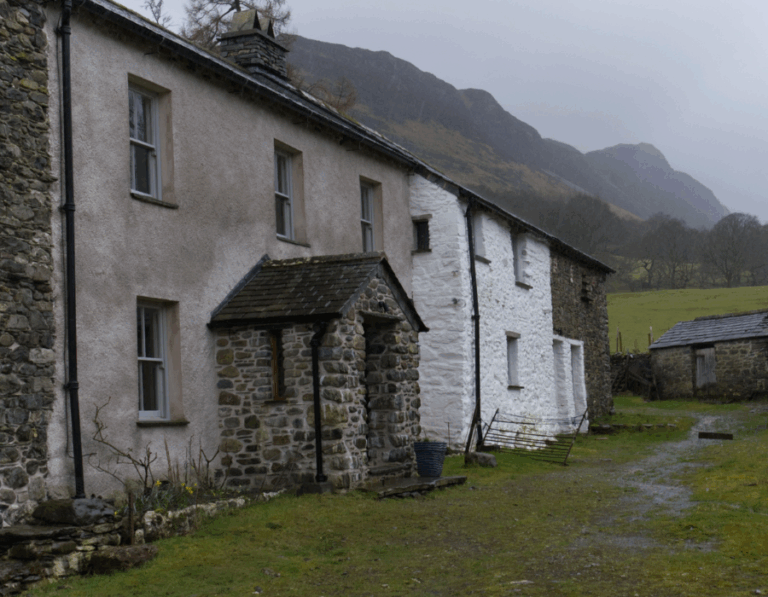
Owning a traditional Lakeland home is a privilege—a connection to Cumbria’s rich heritage and the distinctive vernacular architecture that defines our landscape. Whether it’s a 17th-century bank barn conversion near Troutbeck, a Georgian farmhouse in the Newlands Valley, or a Victorian slate cottage in Grasmere, these buildings carry centuries of local craftsmanship and character.
But alongside the charm of crow-stepped gables, circular chimneys, and diminishing-course slate roofs often come modern challenges: persistent draughts through rubble stone walls, rising damp where old lime mortars have failed, and energy bills that climb as steeply as the path up Helvellyn.
For environmentally conscious homeowners who value both their property’s heritage and their responsibility to the planet, there’s a pressing question: How can you bring your traditional home up to modern standards without losing its authentic Lakeland character?
At Stephen Grindrod LTD, we believe the answer lies in working with your home’s original vernacular principles, not against them. Here’s how we’re helping discerning homeowners across Cumbria with heritage building restoration that transforms traditional properties—sustainably, sympathetically, and spectacularly.
The Heritage Home Dilemma: Comfort vs. Character
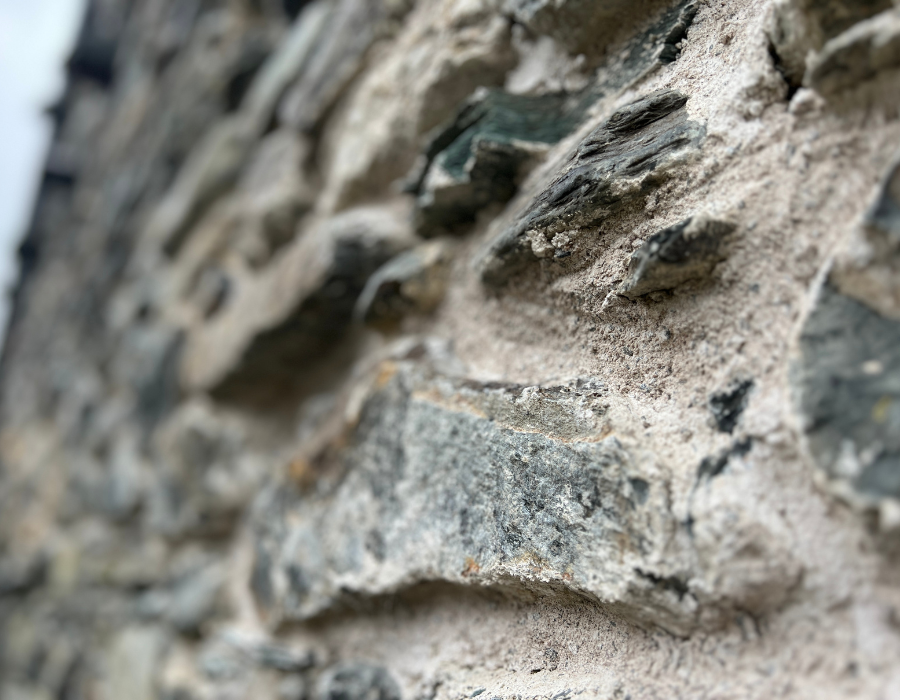
Your traditional Lakeland home—whether built from local slate stone rubble, Borrowdale volcanic rock, or southern limestone—wasn’t designed for today’s energy standards. These vernacular buildings were constructed using locally quarried materials and traditional techniques that worked perfectly with the climate and available resources of their time.
Yet you need—and deserve—a home that’s warm in winter, dry year-round, and economical to run. The conventional retrofit industry often treats heritage buildings like modern boxes, applying one-size-fits-all solutions that can actually damage traditional construction methods.
The problem? Most traditional Lake District buildings were originally finished with lime render and limewash, materials that allow walls to breathe naturally. Modern synthetic materials create a sealed environment that traps moisture—exactly the opposite of what slate stone walls with lime mortar need to function properly.
Natural Materials: The Key to Breathable Performance
The solution isn’t to fight your home’s natural behaviour, but to enhance it using materials that complement its original construction philosophy.
Lime Mortar and Lime Plaster: The Foundation of Breathable Walls
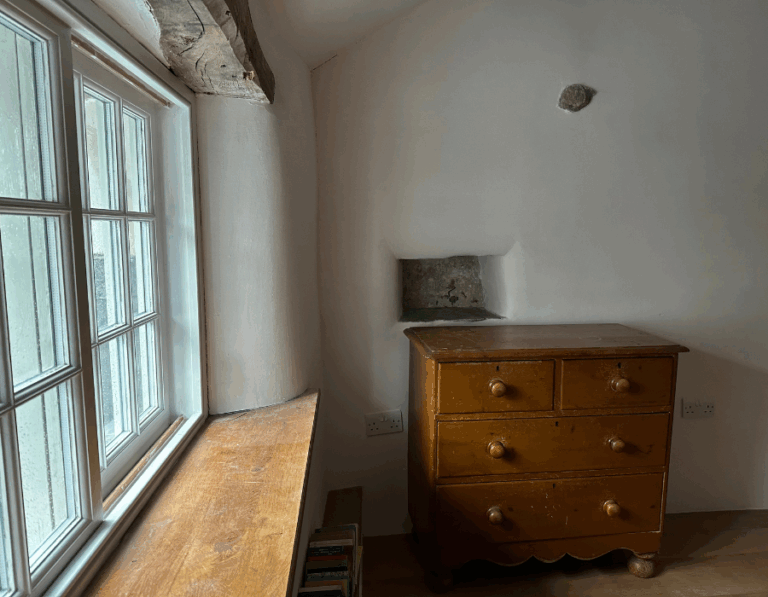
Traditional Lake District buildings were built using lime mortars—softer, more flexible materials that allow natural movement and moisture regulation. Unlike modern cement, lime mortar is naturally antimicrobial and porous, allowing walls to “breathe” while providing excellent durability.
What makes lime particularly valuable for heritage building restoration is its carbon cycle: unlike cement, lime plaster reabsorbs much of the CO2 emitted during production as it cures, with studies showing lime can reabsorb up to 33% of its production emissions during use. Hot-mixed lime mortars, traditional to this region, create beautiful, soft finishes while actively improving indoor air quality—perfect for families concerned about health and environmental impact.
Roughcast Render: The Traditional Lake District Finish
Also known as “wet-dash,” roughcast render is the authentic external finish for most traditional buildings in our area. Made from lime and local aggregates, it provides weather protection while maintaining breathability. This traditional finish allows your walls to manage moisture naturally, preventing the damp issues that plague many modern retrofits.

Wood Fibre Insulation: Warmth That Breathes
Made from renewable timber, wood fibre boards provide excellent thermal performance while allowing moisture to pass through safely. Unlike synthetic foam, they work in harmony with your walls’ natural moisture cycles, preventing the damp issues that plague many modern retrofits.
Hempcrete: The Carbon-Negative Revolution
This innovative mixture of hemp, lime, and water doesn’t just insulate—it actually captures carbon from the atmosphere as it cures. For environmentally conscious homeowners, it’s the ultimate guilt-free upgrade that improves comfort while fighting climate change.
Natural Paints and Finishes
Clay and lime-based paints allow walls to breathe while providing beautiful, authentic colours. They’re free from volatile organic compounds (VOCs), creating healthier indoor air for your family. These traditional finishes are essential for proper heritage building restoration, maintaining the breathable wall systems that Lake District buildings were designed to use.
Our Proven Approach: Performance Meets Heritage
Every project begins with understanding your building’s unique vernacular character and construction methods. We assess how your traditional rubble stone walls currently manage moisture, identify where original lime mortars may have been compromised by inappropriate repairs, and design solutions that enhance rather than fight against the building’s original breathable construction.
Traditional Lake District buildings weren’t just aesthetically pleasing—they were sophisticated environmental systems that worked in harmony with our climate. Our approach restores and enhances these time-tested principles using compatible natural materials.
The Hidden Costs of Synthetic Solutions
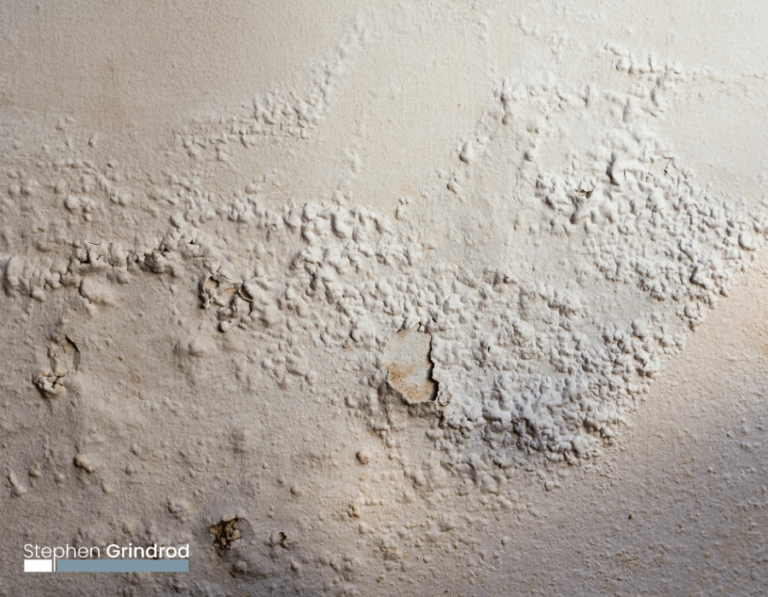
We’ve rescued too many Lake District heritage homes from well-intentioned but misguided retrofits. Cement mortars, synthetic insulation boards, and plastic renders might seem like the modern solution, but they’re incompatible with traditional construction methods and often create more problems than they solve:
- Trapped moisture as cement mortars are harder and less permeable than original lime
- Structural damage when inflexible materials clash with naturally settling rubble stone walls
- Spalling stonework as trapped salts crystallize within the masonry rather than the sacrificial lime mortar
- Loss of authenticity that diminishes your property’s character, heritage value, and planning compliance
For homeowners who see their property as both an investment and a legacy, these risks simply aren’t worth taking.
Ready to Transform Your Heritage Home?
Your traditional Lakeland property can be both beautifully authentic and thoroughly modern in its performance. The key to successful heritage building restoration in the Lake District is choosing the right materials and expertise to honour its past while securing its future.
Visit our sustainable building hub in Coniston to see and feel these materials for yourself. Touch the smooth texture of lime plaster, understand the thermal properties of wood fibre insulation, and discover how natural materials can transform your living experience.
We’re not just builders—we’re specialists in heritage building restoration across the Lake District, committed to proving that sustainability and tradition make perfect partners. Over the past decade, we’ve completed numerous heritage building restoration projects throughout Cumbria, each one respecting the unique vernacular character while dramatically improving performance.
Take the Next Step
Ready to explore what’s possible for your heritage home? Book a free consultation where we’ll discuss your specific challenges and show you real examples of successful natural material upgrades.
Call us: 01539 437794
Email: hello@stephengrindrod.co.uk
Visit: Our Coniston Hub (by appointment)
Your heritage home deserves an upgrade that honours both its past and our planet’s future.