Regenerative Building Design: Beyond Sustainability for People & Planet
Designing Spaces That Support Health, Community & Nature
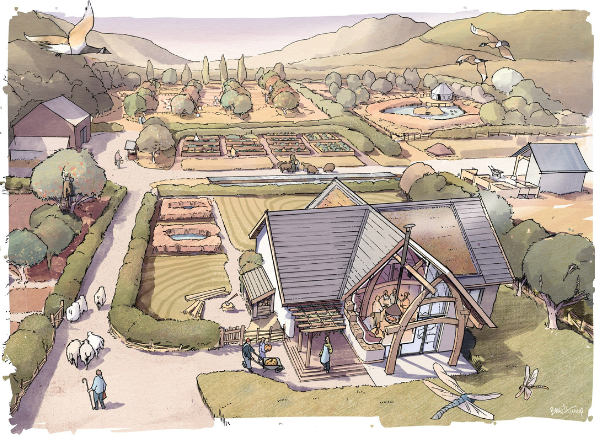
In recent years, the concept of regenerative building has emerged as a transformative approach in architecture and construction. This innovative approach is not just about minimising harm to the environment; it aims to repair and restore ecosystems, communities, and the health of the world we live in. But what exactly is regenerative design, and why is it crucial for people, local communities, and the planet?
What is Regenerative Building?
This design approach refers to a holistic philosophy that seeks to create structures that contribute positively to their surroundings. Unlike traditional sustainable building methods, which often focus on reducing negative impacts, the approach emphasises the restoration and enhancement of natural ecosystems. It integrates ‘living systems’ principles into architectural practices, encouraging buildings to produce more energy than they consume, reuse resources, and enhance biodiversity.
The Importance of Regenerative Building
1. People-Centred Design
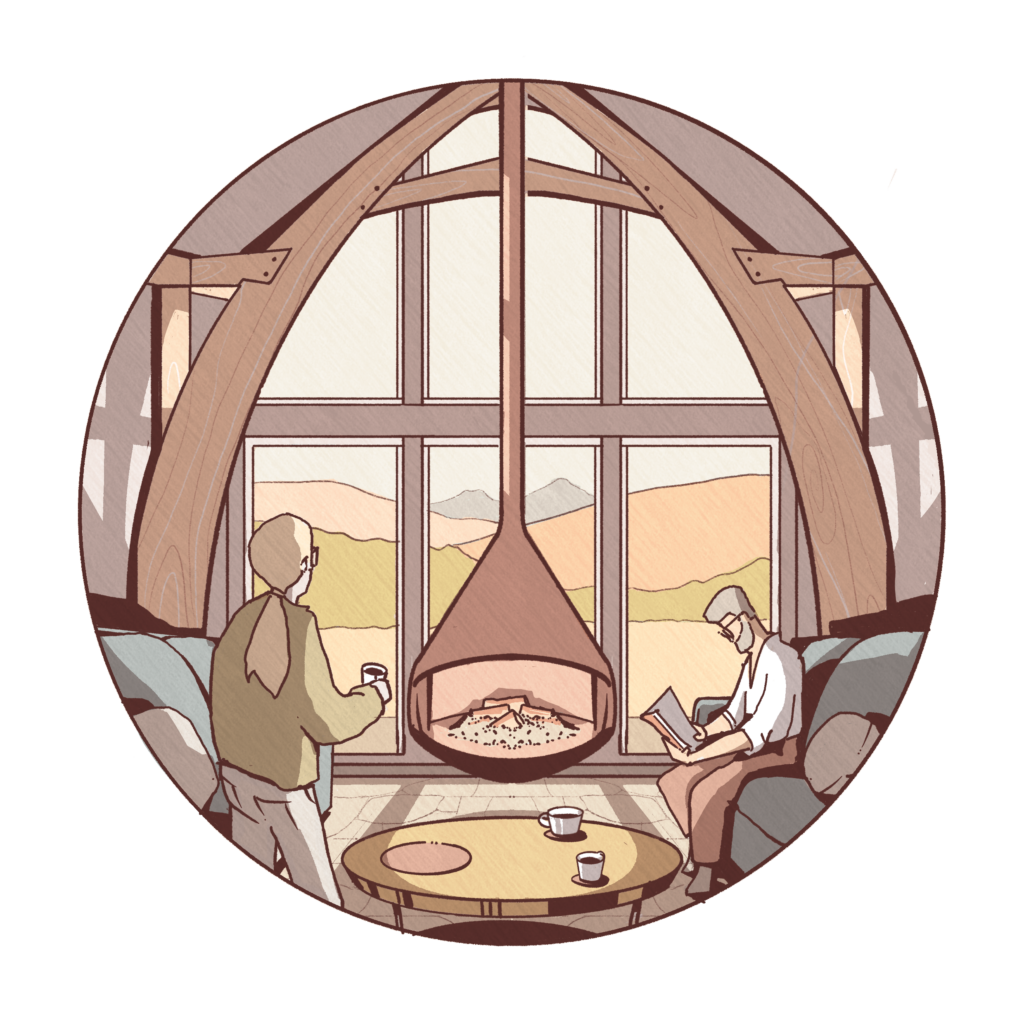
The Regenerative approach focuses on human well-being. It promotes healthy indoor environments through natural lighting, ventilation, and non-toxic materials. By prioritising the physical and mental well-being of inhabitants, regenerative buildings create spaces that support productivity, creativity, and social interaction.
2. Community Building
Regenerative approaches often engage local communities, encouraging participation in design processes and ensuring that spaces meet the needs of the people who will inhabit them. By strengthening connections between people and place, this approach supports social cohesion and resilience.
3. Enhancing Local Environments
Regenerative buildings are designed to enhance their local environment. They utilise local materials, promote native biodiversity, and improve air and water quality. By integrating natural green areas and sustainable practices, these buildings contribute to the overall health of the ecosystem.
4. Planetary Impact
With the escalating effects of climate change, regenerative methods offer a vital solution. By reducing environmental footprints, restoring degraded landscapes, and promoting renewable energy sources, this approach plays a significant role in combating environmental degradation and supporting a sustainable future.
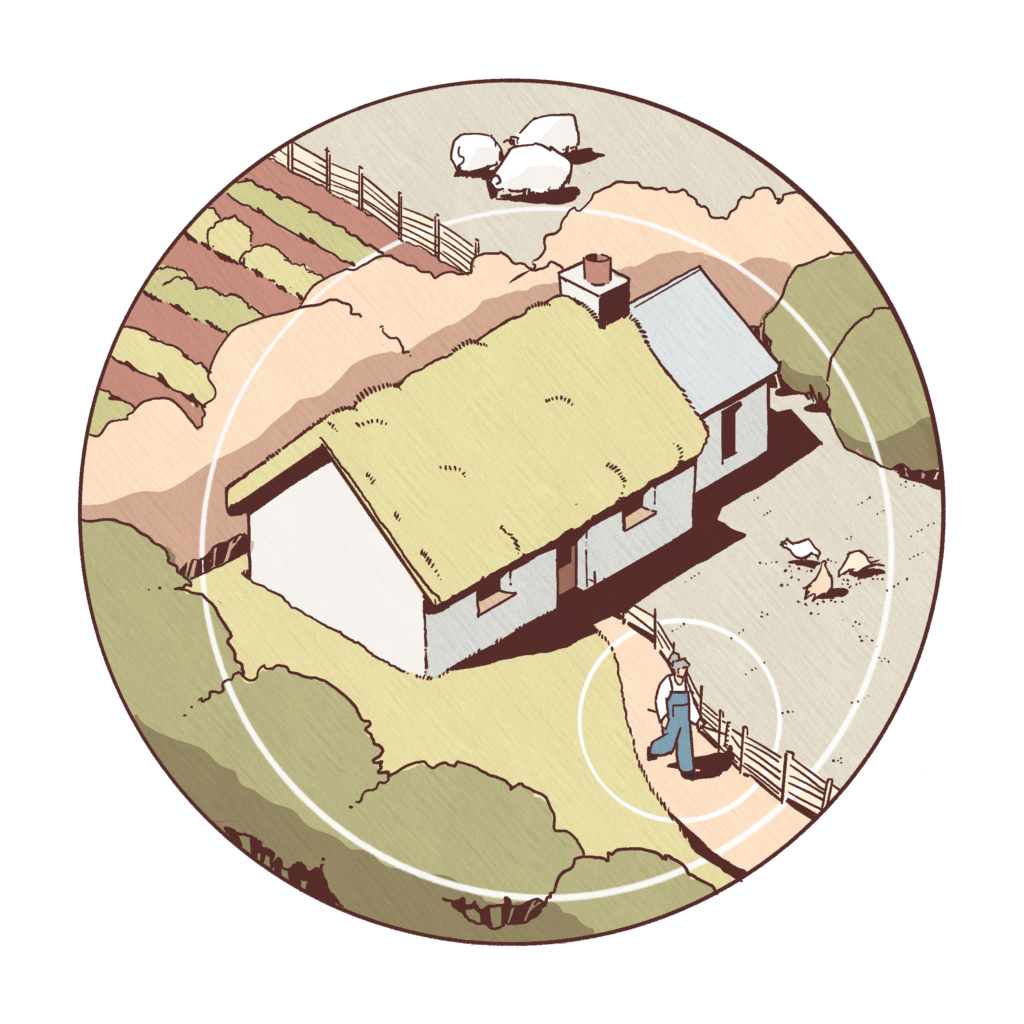



The Historical Context
The origins of regenerative building can be traced back to the sustainable movements of the late 20th century. Initially focusing on energy efficiency and waste reduction, the concept has evolved into a more comprehensive philosophy that embodies circular economy principles and ecological restoration. Pioneers like architect William McDonough and chemist Michael Braungart contributed greatly to regenerative design through their 2002 book Cradle to Cradle: Remaking the Way We Make Things, which advocates for a restorative approach to design and industry.
Its origins can also be traced to pioneering efforts in the late 20th century, with significant contributions from organisations like the Regenesis Group, founded in 1995 by Pamela Mang, Ben Haggard, and other visionary designers. The Regenesis Group sought to address the fractured relationship between humanity and nature, emphasising a holistic, living-systems perspective that positions humans as co-creative participants within ecosystems. Their seminal 2016 book Regenerative Development and Design: A Framework for Evolving Sustainability formalised this philosophy, offering a practical framework for integrating regenerative principles into design and development practices. Drawing from permaculture, ecological design, and systems thinking, the book highlights real-world applications and has become a key resource for professionals looking to move beyond traditional sustainability models.

The Potential of Regenerative Building
Looking ahead, the potential of this approach is huge. As awareness of environmental issues grows, so does the demand for buildings that contribute positively to society. The global shift toward net-zero carbon emissions and the urgency of addressing climate change present an opportunity for this approach to flourish.
Innovations in materials science and technology—alongside a renewed appreciation for traditional natural materials and techniques—will support the development of buildings that not only minimise waste but also actively enhance ecosystems and the health of occupants. Furthermore, the integration of nature-inspired design principles will lead to more efficient resource management and stronger connections between people and nature.
Conclusion
Regenerative building represents a profound shift in how we approach architecture and construction. By prioritising the health of people, communities, places, and the planet, this dynamic approach paves the way for a sustainable future. As we continue to explore and invest in regenerative practices, we can create a built environment that thrives in harmony with nature, supporting resilience and well-being for generations to come.
Ready to Embrace Regenerative Building?
Whether you’re looking for a new home, land, or planning improvements to an existing property, this approach can enhance your life, your community, and the environment. By selecting sites with high regenerative potential and co-designing homes that work with natural systems, you can create a space that truly supports well-being and biodiversity.
At our sustainable building hub in Coniston, you can explore how living systems, natural building techniques, and locally sourced materials come together to create homes that restore and enrich their surroundings.
We go beyond simply building — we’re exploring what this approach could look like in practice, guiding clients and projects towards natural and sustainable building principles, systems, and materials, and considering how people, place, and planet might work together to create spaces that support both modern performance and ecological restoration.
Take the Next Step
Ready to explore what regenerative building could mean for you? Book a free consultation and we’ll discuss your ideas, explore the regenerative potential of your project or future site, and share real examples of how thoughtful design and natural systems can create healthier homes, thriving landscapes, and stronger communities.
Call us: 01539 437794
Email: hello@stephengrindrod.co.uk
Visit: Our Coniston Hub (by appointment)
Your home or future project deserves an approach that supports people, place, and the planet’s future.
Discover more about our natural, sustainable, and regenerative building approach
We work with a range of specialist materials and techniques suited to regenerative, natural, sustainable, and heritage building projects. Explore our approach and discover some of the methods and systems we use to create buildings that work in harmony with people, place, and the natural environment.